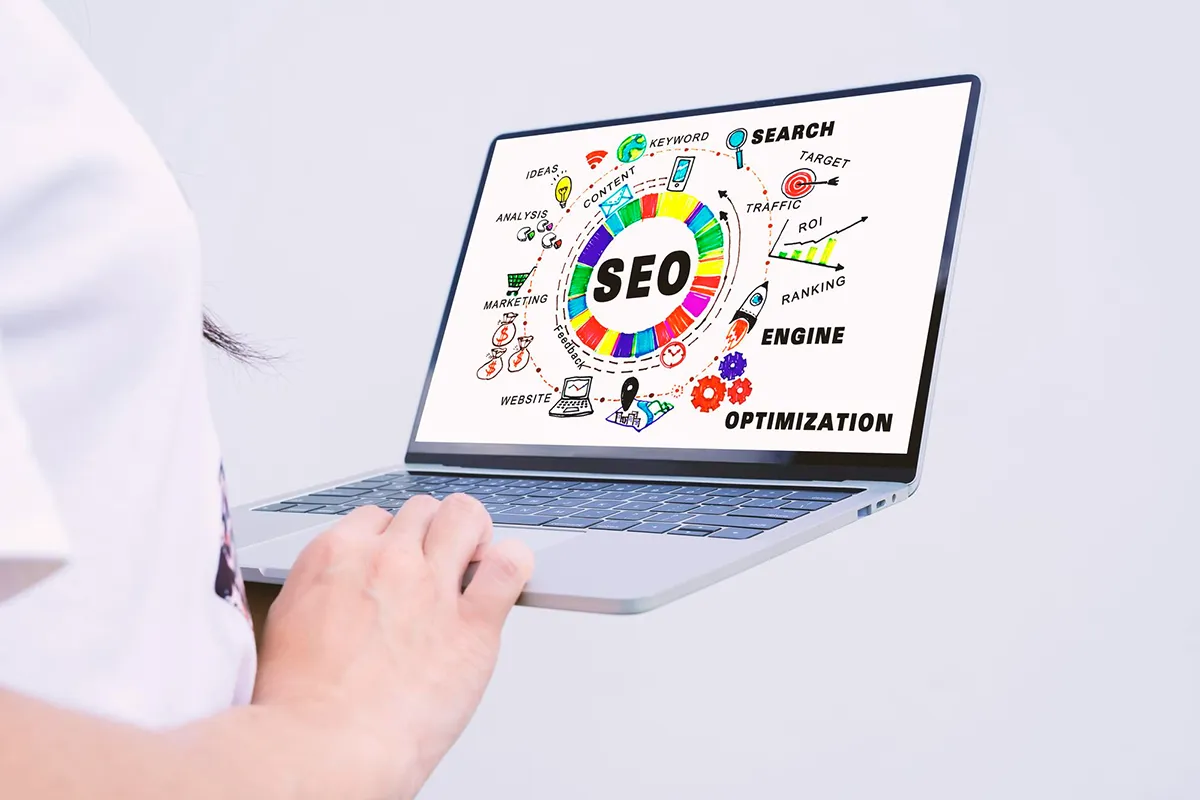
Technical SEO is the foundation of any website that aims to rank well in search engines. While content and backlinks are important, without a properly optimized structure, even the best content can struggle to perform. Technical SEO focuses on improving site speed, crawlability, indexing, and overall user experience. From optimizing website architecture to fixing errors that impact visibility, these elements help search engines understand and rank your pages more effectively, leading to better organic performance and long-term growth.
Website Structure and Crawlability Optimization
Website structure plays a crucial role in how search engines discover and understand your content. A clear, logical hierarchy helps both users and search engine crawlers navigate your site efficiently. Pages should be organized into well-defined categories, with internal links connecting related content to improve accessibility and flow. This makes it easier for search engines to crawl and index your pages without confusion.
Optimizing crawlability also involves creating and maintaining XML sitemaps, using clean URL structures, and ensuring there are no broken links or unnecessary redirects. Proper use of robots.txt files helps guide search engine bots toward important pages while avoiding irrelevant ones. When your site is easy to crawl, it increases the chances of better rankings and improved visibility.
Improving Page Speed and Core Web Vitals
Improving page speed is essential for both user experience and search engine rankings. Slow-loading websites increase bounce rates and reduce engagement, making it harder to achieve strong SEO performance. Optimizing images, minimizing code, enabling browser caching, and using a reliable hosting provider can significantly improve loading times. A fast website ensures visitors can access content quickly and smoothly across all devices.
Core Web Vitals are a set of performance metrics that measure real user experience, including loading speed, interactivity, and visual stability. Focusing on elements like Largest Contentful Paint, First Input Delay, and Cumulative Layout Shift helps identify areas for improvement. By optimizing these metrics, websites can deliver a better experience and increase their chances of ranking higher in search results.
Mobile Optimization and Responsive Design
Mobile optimization is essential in today’s digital landscape, as more users browse websites on smartphones and tablets than ever before. A mobile-friendly site ensures that content is easy to read, fast to load, and simple to navigate on smaller screens. This includes responsive layouts, optimized images, and touch-friendly elements that improve usability.
Responsive design allows websites to automatically adapt to different screen sizes, providing a consistent experience across devices. For businesses looking to improve performance, MD Direct strategies can further enhance mobile SEO and usability. By prioritizing mobile optimization and responsive design, websites can increase engagement, reduce bounce rates, and achieve better search engine rankings.
Indexing, Sitemaps, and Robots.txt Best Practices
Indexing is the process by which search engines store and organize your website’s content, making it eligible to appear in search results. To support proper indexing, it’s important to submit an XML sitemap that clearly lists all key pages and helps search engines discover new or updated content more efficiently. A well-structured sitemap improves visibility and ensures important pages are not overlooked.
The robots.txt file plays a crucial role in guiding search engine crawlers by specifying which pages should or should not be accessed. Proper configuration prevents indexing of duplicate or low-value pages while prioritizing essential content. Together, effective indexing, optimized sitemaps, and a correctly set robots.txt file strengthen your site’s technical SEO performance.
Fixing Technical Errors That Impact Rankings
Fixing technical errors is a critical part of maintaining strong search engine rankings. Issues such as broken links, duplicate content, slow-loading pages, and incorrect redirects can negatively affect how search engines crawl and evaluate your website. Regular audits help identify these problems early and prevent them from harming your site’s performance.
Common fixes include resolving 404 errors, improving page load speed, correcting redirect chains, and ensuring proper canonical tags are in place. It’s also important to check for crawl errors and indexing issues that may block important pages from appearing in search results. By addressing technical problems promptly, you create a smoother user experience and improve your chances of achieving consistent, long-term SEO success.
CJC-1295 with DAC is a synthetic peptide designed to stimulate the natural release of growth hormone (GH) in the body. It has become popular among athletes, bodybuilders, and individuals interested in anti-aging or performance optimization due to its potential to support muscle growth, fat loss, and recovery.
Before considering CJC-1295 with DAC, it’s important to understand how it works, its potential benefits, possible risks, and the differences between versions with and without DAC.
What Is CJC-1295?
CJC-1295 is a modified form of growth hormone-releasing hormone (GHRH). GHRH is naturally produced in the body and signals the pituitary gland to release growth hormone.
CJC-1295 was developed to extend the half-life of natural GHRH, meaning it stays active in the body longer and promotes sustained growth hormone release.
What Does “With DAC” Mean?
“DAC” stands for Drug Affinity Complex. The DAC component allows CJC-1295 to bind to albumin in the bloodstream, significantly increasing its half-life.
CJC-1295 with DAC: Long-acting (can last up to 6–8 days)
CJC-1295 without DAC (often called MOD GRF 1-29): Short-acting (around 30 minutes)
Because of the extended half-life, CJC-1295 with DAC typically requires fewer injections compared to the non-DAC version.
How CJC-1295 with DAC Works
CJC-1295 with DAC stimulates the pituitary gland to release more growth hormone over an extended period. Increased GH levels then elevate insulin-like growth factor 1 (IGF-1), which is responsible for many of growth hormone’s anabolic and regenerative effects.
Unlike injecting synthetic growth hormone directly, CJC-1295 encourages the body to produce its own GH in a more physiologically natural pattern.
Potential Benefits
Although human clinical research is limited, reported and studied effects may include:
1. Increased Lean Muscle Mass
Elevated growth hormone and IGF-1 levels may support protein synthesis, muscle growth, and improved body composition.
2. Fat Loss Support
Growth hormone plays a role in lipolysis (fat breakdown), which may help reduce body fat over time.
3. Improved Recovery
Some users report faster recovery from workouts and reduced muscle soreness.
4. Enhanced Sleep
Growth hormone is primarily released during deep sleep. Some individuals experience improved sleep quality when GH levels increase.
5. Anti-Aging Effects
GH and IGF-1 are associated with tissue repair, collagen production, and skin elasticity, which is why CJC-1295 is often discussed in longevity circles.
Dosage and Administration
CJC-1295 with DAC is typically administered via subcutaneous injection. Because of its long half-life, it is often injected once or twice per week.
However, dosage protocols vary widely, and there is no universally approved medical dosing guideline for performance or anti-aging use. It is essential to consult a qualified healthcare professional before considering use.
CJC-1295 with DAC vs Without DAC
Feature
With DAC
Without DAC
Half-life
Long (up to 6–8 days)
Short (around 30 minutes)
Injection frequency
1–2 times per week
Often daily or multiple times daily
GH release pattern
Sustained elevation
Pulsatile release
Popular pairing
Often used alone
Often stacked with Ipamorelin
Some users prefer the non-DAC version for a more controlled, natural pulse of GH, while others prefer the convenience of fewer injections with the DAC version.
Potential Side Effects
Because CJC-1295 increases growth hormone levels, possible side effects may include:
Water retention
Joint stiffness
Headaches
Increased hunger
Tingling or numbness
Elevated blood sugar levels
Long-term safety data in healthy individuals is limited. Excessively high growth hormone levels over time may increase health risks, which makes medical supervision important.
Legal Status
In many countries, CJC-1295 is classified as a research chemical and is not approved by regulatory authorities for general medical use. It is not legally prescribed for bodybuilding or anti-aging purposes in most regions.
Athletes should also be aware that growth hormone–related compounds are banned by many sports organizations and anti-doping agencies.
People interested in hormone optimization or anti-aging
However, it is not a substitute for proper training, nutrition, sleep, and evidence-based medical treatment.
Important Considerations Before Use
If you’re researching CJC-1295 with DAC, keep the following in mind:
Quality matters: Peptides are often sold online as research compounds. Purity and accuracy can vary significantly between suppliers.
Medical supervision is critical: Hormonal manipulation can have systemic effects.
Long-term safety is unclear: Most available data comes from small studies or anecdotal reports.
Individual response varies: Hormone levels, age, and overall health influence results.
Final Thoughts
CJC-1295 with DAC is a long-acting growth hormone–releasing peptide designed to increase natural GH production over an extended period. It may support muscle growth, fat loss, recovery, and overall vitality, but research in healthy populations is still limited.
Because it influences hormone levels, it should be approached carefully and ideally under professional medical guidance. While it has gained popularity in performance and longevity communities, responsible use, informed research, and realistic expectations are essential.
Running a successful online shop takes more than great products and sleek design. It requires mastering the invisible art of SEO. Behind every thriving e-commerce store lies a complex network of optimization tasks that decide how easily customers can find you. From technical performance and site architecture to unique product descriptions and content management, each choice directly affects visibility and conversions. As competition grows stronger, understanding the main SEO challenges becomes essential for sustainable growth. This guide explores the most common issues online stores face and offers practical ways to improve ranking, user experience, and long-term success.
Optimizing SEO for Niche Products
When promoting niche apparel like Dark Humor T-Shirts, it is essential to combine creativity with precise SEO strategy. These products attract a specific audience that values edgy, witty, and provocative designs, so your keyword targeting should reflect that personality. Include variations such as “funny dark humor t-shirts,” “offensive humor shirts,” or “sarcastic graphic tees” in titles, meta descriptions, and product copy. Each page should feature original descriptions that highlight the joke, tone, and cultural reference behind the design. Add structured data for products and reviews to boost visibility in search results. Optimize all product images with descriptive file names and alt text including the main keyword. Internal links to related categories like “funny t-shirts” or “statement apparel” will improve topical relevance. Encourage buyers to share photos and feedback to increase authenticity and engagement. With consistent optimization, your dark humor shirts can stand out and attract customers who enjoy bold and unapologetic humor.
Site Structure and Crawlability Issues
A clear and logical site structure helps search engines understand how your online shop is organized. When pages are buried too deep or linked inconsistently, crawlers may struggle to find and index them properly. Each important page should be reachable within a few clicks from the homepage, and internal linking must guide both users and bots through key categories. Use descriptive URLs and make sure your XML sitemap is clean and regularly updated. Avoid orphan pages and ensure that every product page connects to a parent category. A well-structured site not only improves navigation and user experience but also boosts indexing efficiency. Regular audits with crawl tools can reveal blocked resources, redirect chains, and unnecessary parameters that confuse bots. By maintaining a clear hierarchy, you help search engines interpret your content accurately and improve the visibility of your entire store.
Duplicate Content Across Product Pages
Duplicate content is a common problem in e-commerce, especially when similar products share near-identical descriptions. This can dilute ranking signals and make it harder for search engines to determine which page to show in results. To fix this, write unique content for every product whenever possible. Use canonical tags to guide crawlers toward the preferred version of a page and prevent duplicates from competing against each other. Avoid copying manufacturer descriptions, as they are often used across multiple sites and offer no original value. Dynamic filters or search parameters can also create duplicate URLs, so use proper indexing controls and consistent URL formats. A well-managed content structure helps search engines index your pages correctly while maintaining strong topical relevance across your catalog.
Slow Loading Speed and Core Web Vitals
Website speed directly affects both user satisfaction and ranking potential. Slow-loading pages lead to higher bounce rates and lost conversions, especially on mobile devices. Optimizing your Core Web Vitals should be a top priority. Compress large images without sacrificing quality, minimize unused scripts, and implement lazy loading for media-heavy pages. Choose a reliable hosting provider and enable caching to reduce server response times. Review how third-party plugins or tracking scripts impact load performance and remove any unnecessary ones. Tools like Google PageSpeed Insights can help identify the exact elements slowing your site down. Even small improvements in load time can lead to better engagement and more sales. A fast, responsive site signals quality to both users and search engines, helping your online store perform at its full potential.
Missing or Weak Product Schema Markup
Product schema markup helps search engines understand what your page is about and display richer information in search results. Without it, your listings might not show key details such as price, availability, ratings, or reviews, which can reduce click-through rates. Implement structured data following Google’s Product schema guidelines for every item in your catalog. Include essential fields like product name, description, SKU, brand, and price. If your site supports customer reviews, mark them up correctly to qualify for rich results. Check your schema with the Rich Results Test tool to ensure it is error-free. Avoid incomplete or duplicate markup, as this can cause confusion for crawlers. When properly used, product schema can make your listings appear more professional and trustworthy while helping search engines interpret your data accurately. Strong structured markup is a simple but powerful way to increase visibility, attract more organic clicks, and enhance user experience.
Conclusion
Optimizing an online shop for search engines requires attention to both technical structure and content quality. From crawlability and duplicate content to speed and schema markup, every detail contributes to better visibility and stronger user engagement. Regular audits, consistent optimization, and a clear content strategy ensure that your store stays competitive in search results. By addressing these key SEO challenges, you create a faster, more reliable, and user-friendly shopping experience that drives lasting growth and builds trust with customers.
The worlds of technology and health are merging faster than ever. From AI-driven diagnostics to wearable devices that monitor every step, innovation is transforming how people care for themselves. At the heart of this transformation lies a growing focus on personalization, precision, and prevention.
One fascinating example is the rise of peptide therapy — and specifically how digital tools make managing GHRP-2 dosage safer, smarter, and more effective. Pep Dose, a leader in this field, demonstrates how technology can be applied to blends and custom protocols, guiding users toward wellness strategies that truly fit their needs.
The Promise of GHRP-2
Growth Hormone Releasing Peptide-2 (GHRP-2) stimulates the body’s natural growth hormone production. Unlike direct hormone replacement, which may introduce risks, GHRP-2 works through the body’s existing pathways by binding to the ghrelin receptor.
Potential benefits include:
Accelerated muscle recovery and growth
Fat metabolism and body composition improvements
Enhanced joint and connective tissue repair
Better sleep quality through natural GH pulses
These benefits make GHRP-2 an attractive option for athletes, wellness enthusiasts, and individuals seeking healthier aging. But like many advanced tools, effectiveness depends heavily on proper dosage.
Why Dosage Precision Matters
In peptide therapy, one size does not fit all. A carefully calculated dose can support recovery and performance, while improper usage can result in side effects such as bloating, appetite spikes, or hormonal imbalances.
This is where innovation steps in. Digital calculators, such as Pep Dose’s dedicated tool, allow users to manage GHRP-2 dosage with scientific accuracy. By inputting variables like weight, goals, and schedule, individuals receive dosing recommendations designed to minimize risks and maximize outcomes.
Technology in Action: Tools That Enhance Protocols
Modern wellness tech provides more than just numbers. It integrates seamlessly into broader health strategies. Here are a few ways technology is reshaping peptide usage:
1. Dosage Calculators
Pep Dose offers a user-friendly GHRP-2 dosage calculator that suggests precise amounts and timing. It translates complex research into actionable steps for everyday use.
2. Health Tracking Devices
Wearables like fitness trackers and sleep monitors generate data that can help refine dosing schedules. For example, if recovery metrics improve with evening injections, users can adjust protocols accordingly.
3. Custom Blends
Instead of sticking to standard formulations, platforms now offer tailored peptide blends that align with unique health objectives. Tech-driven personalization ensures dosing isn’t random but integrated into larger wellness goals.
4. Cycle Management & Reminders
Apps can notify users when to start or stop cycles, preventing receptor desensitization and helping maintain long-term benefits.
Sample Protocols
Protocol Type Suggested Dose Frequency Typical Cycle
Beginner 100–150 mcg Twice daily (morning & pre-sleep) 8–12 weeks
Intermediate 150–250 mcg 2–3× daily (add post-workout) 8–12 weeks
Advanced / Stacking 250–300 mcg 3× daily with GHRH analogues 8–12 weeks with breaks
Disclaimer: These are general educational ranges. Safe and effective use should always be guided by research and professional input.
Disclaimer: These are general educational ranges. Safe and effective use should always be guided by research and professional input.
Scientific Backing
Clinical studies support GHRP-2’s ability to significantly increase natural GH levels, enhance recovery, and stimulate appetite. In fact, published research in The Journal of Clinical Endocrinology & Metabolism has documented GHRP-2’s effectiveness in boosting GH secretion in humans.
Risks and Side Effects
While GHRP-2 is generally well-tolerated when used responsibly, side effects may appear if dosage isn’t properly managed. Common ones include:
Temporary water retention
Mild increases in appetite
Possible cortisol or prolactin elevation
Headaches or fatigue in rare cases
Tech-driven dosing and cycle tracking reduce the likelihood of these issues by ensuring protocols stay within safe boundaries.
The Bigger Picture: Tech + Health
The story of GHRP-2 is part of a larger movement: the fusion of technology with health for proactive, personalized solutions. This shift can be summarized in three trends:
Data-Driven Personalization – Using algorithms and biometrics to create wellness plans unique to each individual.
Preventive Health Strategies – Monitoring trends early to address imbalances before they become problems.
Integration of Tools – From apps to wearables, different technologies working together for holistic health management.
Just as fitness trackers changed exercise, peptide calculators are changing biochemical optimization.
Pep Dose: Leading at the Intersection
Pep Dose exemplifies innovation in wellness by offering tools and blends that empower users. Its calculators transform complex research into practical insights, while custom formulations provide flexibility for unique needs. By bridging science and everyday usability, Pep Dose represents the next phase of health technology.
Conclusion
Innovation at the intersection of tech and health is redefining modern wellness. Through tools like Pep Dose’s GHRP-2 dosage calculator, individuals can harness peptide science with confidence and precision.
As wearable tech, AI, and digital health platforms continue to evolve, the future of wellness will be guided by smarter, more adaptive protocols. This means fewer guesswork decisions, safer outcomes, and a personalized path to vitality.
The integration of technology and health isn’t just a trend — it’s the foundation of a smarter, more empowered approach to living well.
In today’s competitive online landscape, maximizing conversions on your website is essential to business success. Whether you’re selling products, capturing leads, or encouraging user engagement, every visitor to your site presents an opportunity. To optimize for conversions, you must ensure that your website is designed, structured, and marketed in a way that drives action from your visitors. Here’s a step-by-step guide to optimizing your website for maximum conversions:
1. Enhance User Experience (UX)
A positive user experience plays a crucial role in converting visitors into customers. Ensure your website is intuitive, easy to navigate, and visually appealing.
Simplify Navigation: Make it easy for visitors to find what they’re looking for. Organize your content clearly, and keep the navigation menu simple and accessible.
Fast Loading Speed: A slow website can turn visitors away. Use tools like Google PageSpeed Insights to identify and fix performance issues. Aim for a load time of under 3 seconds.
Mobile Optimization: With mobile traffic increasing, your site must be fully optimized for smartphones and tablets. Use responsive design to ensure your site adapts to any screen size.
2. Clear and Persuasive Calls To Action (CTAs)
Your CTAs should be prominent and persuasive. They guide users towards the next step you want them to take, whether it’s making a purchase, signing up, or contacting you.
Use Action-Oriented Language: Phrases like “Buy Now,” “Sign Up Today,” or “Get Your Free Trial” are clear and encourage users to take action.
Make CTAs Stand Out: Ensure CTAs are easily visible by using contrasting colors and placing them strategically on the page. For example, place them above the fold and at the end of key content sections.
3. Create High-Quality Content
Content is essential for both user engagement and SEO. It helps build trust and positions your brand as an authority in your industry.
Provide Value: Offer useful, educational, and informative content that addresses the needs or pain points of your target audience.
Use Visuals: Incorporate images, videos, and infographics to make your content more engaging and to break up large chunks of text.
Optimize for SEO: Implement on-page SEO best practices (such as keyword optimization and metadata) to ensure your content is discoverable in search engines, attracting more organic traffic.
4. Leverage Social Proof
Visitors are more likely to trust your business when they see others have had a positive experience with your brand. Social proof helps build credibility and trust.
Display Testimonials and Reviews: Include customer testimonials or product reviews on relevant pages. This demonstrates that your brand is trusted by real people.
Showcase Case Studies: Case studies can illustrate how your product or service has successfully solved problems for your customers.
Highlight Social Media Engagement: Show real-time social media mentions, follower counts, or user-generated content to build authenticity.
5. A/B Testing and Analytics
To truly understand what drives conversions, you need data. A/B testing allows you to experiment with different elements on your site, while analytics help you measure performance.
Test Key Pages: Start with your homepage, product pages, and checkout pages. Try different variations of CTAs, headlines, images, and page layouts.
Track User Behavior: Use tools like Google Analytics or Hotjar to track how visitors interact with your site. This data will help identify areas that need improvement.
Optimize Based on Data: Continuously make improvements based on the results from your tests and analytics to refine your conversion strategy.
6. Build Trust with Security Features
A trustworthy website is essential for encouraging conversions, especially if you’re asking users to share personal information or make purchases.
SSL Certificate: Ensure your website has an SSL certificate (the padlock icon next to the URL) to guarantee secure data transmission.
Clear Privacy Policy: Display a clear privacy policy that outlines how you protect user data.
Trust Badges: Display badges from trusted organizations (e.g., payment processors, security certificates) to reassure customers that their transactions are safe.
7. Optimize Your Checkout Process
If you’re running an e-commerce site, the checkout process should be smooth and efficient. A complicated or lengthy checkout can lead to cart abandonment.
Simplify Forms: Ask for only the necessary information to reduce friction. Use autofill options and allow guest checkout.
Offer Multiple Payment Methods: Provide options like credit cards, PayPal, and even newer methods like Apple Pay or Google Pay to accommodate different preferences.
Clear Pricing and Shipping Information: Be transparent about pricing, taxes, and shipping fees upfront to avoid surprises at checkout.
8. Use Exit-Intent Popups
Exit-intent popups are a powerful tool for capturing visitors who are about to leave your site.
Offer a Discount or Incentive: A last-minute discount or a special offer can entice users to stay and complete a purchase.
Simplify the Popup: Keep your popups brief and to the point—no one wants to be interrupted with a long form or overwhelming message when they’re leaving.
9. Use Retargeting Ads
Retargeting ads are an excellent way to bring back visitors who didn’t convert the first time. These ads target users who have visited your website but haven’t made a purchase or taken the desired action.
Target Abandoned Carts: Show retargeting ads to users who added items to their cart but didn’t complete the checkout process.
Personalized Offers: Customize your retargeting ads based on the products users viewed, making the ad more relevant and compelling.
10. Optimize for Speed and Performance
A slow website can ruin conversions. Make sure your website loads quickly to retain users and improve your Google ranking.
Compress Images: Large images can slow down your site. Use tools to compress them without losing quality.
Use Caching: Enable browser caching to speed up your site for return visitors.
Use a Content Delivery Network (CDN): A CDN can deliver content faster to users by serving it from a server closest to their location.
By focusing on these strategies, you can improve your website’s performance and conversion rates. Remember, website optimization is an ongoing process. Continuously test, analyze, and refine your strategies to ensure you’re meeting the needs of your visitors and achieving your business goals.
Ever feel like your niche product is getting lost in the endless scroll of ? You’re not alone. Marketing niche products online comes with its own unique mix of challenges and opportunities. On one hand, you’re catering to a highly targeted audience with specific interests. On the other, breaking through the noise and turning those niche customers into loyal buyers requires strategy and finesse.
That’s where social media marketing becomes your secret weapon. Platforms like Instagram, TikTok, and Pinterest allow you to connect directly with your ideal customers, turning the vast online world into a community built around your product. But what works for mainstream brands often won’t cut it here. You need tailored approaches that speak to what makes your audience tick.
This blog is your roadmap to mastering social media marketing for niche products. From crafting messaging that resonates to boosting your content’s reach, we’ll explore practical tips you can start using today. Ready to turn your niche into a thriving online brand? Let’s jump in.
Why Peptides Are the Perfect Example of a Niche Product
Peptides are a fascinating and growing segment in the health and wellness industry, making them a prime example of a niche product. Unlike everyday consumer items, peptides cater to a specialized audience looking for targeted benefits such as improving skin health, enhancing muscle recovery, or managing metabolic health. Their appeal lies in their precision and efficacy, designed to solve specific problems for those who are deeply interested in health optimization and scientific advancements.
Take semaglutide peptides, for instance. These peptides are highly sought after for their potential to assist with weight management and metabolic support. The keyword buy semaglutide peptide frequently surfaces in searches from individuals who have done their research and are ready to invest in a premium solution. This demonstrates the unique nature of the market for peptides, where buyers are not just casual shoppers but informed individuals seeking results.
What sets peptides apart as niche products is their ability to cater to a small but dedicated audience with very specific needs. The consumer base for peptides typically consists of biohackers, fitness enthusiasts, and individuals pursuing cutting-edge health interventions. They aren’t products you’ll find on the shelves of every retail store, but this exclusivity adds to their allure and perceived value.
For marketers, peptides represent a perfect opportunity to utilize targeted social media campaigns. By understanding the pain points and goals of this niche audience, you can craft tailored content that resonates directly with their needs. Whether it’s a visually engaging Instagram campaign that highlights benefits or educational TikTok videos about how peptides work, there’s no shortage of ways to connect with this specialized demographic.
The world of peptides, including sought-after options like semaglutide, offers a unique case study in niche product marketing. By focusing on deeply understanding your audience’s needs and offering them the educational and motivational content they crave, you can turn these high-value products into a thriving niche success.
Choosing the Best Social Media Platforms to Promote Peptides
When marketing peptides, focus on platforms where your niche audience is most active. Instagram excels for visually showcasing benefits and fostering a lifestyle appeal. TikTok is perfect for engaging, educational content that breaks down complex peptide science into catchy, digestible videos. LinkedIn, on the other hand, is suitable for professionals, such as researchers or healthcare practitioners, offering peptides geared toward clinical applications. Each platform provides unique opportunities to target specific demographics, making it easier to connect with a dedicated audience and build trust. Choosing the right platform ensures your marketing efforts resonate effectively.
How to Build a Loyal Community Around Your Peptide Brand
Building a loyal community around your peptide brand starts with genuine engagement. Respond to comments, ask questions, and create an open dialogue with your audience. Share valuable content, such as how-tos, benefits of peptides, or scientific insights, to establish your brand as an authority in the niche. Transparency is key; provide clear information about the origins, uses, and safety of your peptides to foster trust. Consider hosting live Q&A sessions or creating engaging posts that invite audience interaction. By consistently educating, listening, and showing authenticity, you’ll cultivate a dedicated community that supports and advocates for your brand.
Leveraging Influencers to Boost Your Peptides’ Visibility
Partnering with influencers is a powerful way to amplify your peptide brand’s reach. Start by identifying influencers whose audience aligns with your target demographic, such as fitness enthusiasts, biohackers, or health-focused content creators. Look for genuine engagement in their comments and posts to ensure they have an authentic connection with their followers.
Once you’ve selected influencers, collaborate on creative ideas, like product reviews, tutorials, or Q&A sessions about peptides, that educate and build trust. Make sure their messaging aligns with your brand values to maintain authenticity. Allow influencers the freedom to share their authentic experiences with your products, as this resonates more with audiences.
By fostering transparent partnerships and staying focused on your niche, you’ll build credibility, reach a wider audience, and establish your peptides as a trusted solution in the market.
Transforming Peptides from a Niche Product to a Recognized Brand
Turning peptides from a niche product into a well-known brand requires a thorough, strategic approach. By targeting the right audience, producing tailored content, choosing suitable social media platforms, and actively engaging with your community, you lay the foundation for brand success. Additionally, leveraging influencers who align with your values and audience can significantly increase visibility while fostering trust.
Consistency and authenticity are critical in building long-term loyalty. By understanding your niche market deeply and addressing their specific needs, you set your brand apart as a trusted authority. Now is the time to take these strategies and put them into action. Which step will you implement first? Engage with us in the comments or share your experiences and insights—we’d love to hear from you!
Web design has come a long way from the early days of basic HTML pages and static content. Today, in 2025, web design is a dynamic and multifaceted field that blends creativity, technology, psychology, and user behavior to create powerful online experiences. A well-designed website is no longer just a “nice to have”—it’s an essential part of business strategy, brand communication, and customer engagement.
In this article, we’ll explore the current state of web design, emerging trends, essential principles, and practical tips to help designers, developers, and businesses stay ahead in a competitive digital world.
Why Web Design Still Matters
In the crowded online marketplace, your website is often the first point of contact between your brand and your audience. Whether you’re running an e-commerce store, a blog, or a corporate site, the design of your website significantly impacts how visitors perceive and interact with your business.
A strong web design:
Builds trust and credibility
Enhances user experience (UX)
Improves accessibility and usability
Boosts SEO and site traffic
Increases conversions and sales
With short attention spans and endless options, users will quickly leave a site that looks outdated, loads slowly, or feels hard to navigate. That’s why design is more important than ever.
Key Principles of Effective Web Design
Regardless of trends, the best websites follow timeless design principles. Here are some of the most important:
1. User-Centered Design
Design should always serve the user. Understanding your target audience—what they want, how they think, and how they interact with digital interfaces—is crucial for creating an intuitive website.
2. Responsive Design
With users browsing on phones, tablets, laptops, and everything in between, responsive design is essential. A responsive site adjusts to different screen sizes and devices, ensuring a consistent experience for all users.
3. Clear Navigation
Users should be able to find what they’re looking for within seconds. Use a logical menu structure, sticky headers, breadcrumb trails, and internal linking to make browsing simple and enjoyable.
4. Fast Loading Times
Page speed affects everything from user satisfaction to search engine rankings. Compress images, reduce unnecessary scripts, and use performance-optimized hosting to keep your site running fast.
5. Strong Visual Hierarchy
Use typography, spacing, and color to guide users’ attention. Headlines should be bold and scannable. CTAs (calls to action) should stand out. Important content should be placed above the fold.
6. Accessibility
A great website works for everyone, including people with disabilities. This means providing alt text for images, sufficient color contrast, keyboard navigation, and screen reader compatibility.
Web Design Trends in 2025
Web design is constantly evolving. Here are some key trends dominating the industry in 2025:
1. AI-Enhanced Design
AI-powered tools now help designers create layouts, generate code, and optimize content. Platforms like Figma, Adobe Firefly, and Wix Studio use AI to suggest design improvements or automate workflows.
2. Dark Mode and Custom Themes
Many users prefer dark mode for reduced eye strain and aesthetic appeal. Websites that offer light/dark theme toggles provide a more personalized experience.
3. Microinteractions
Tiny animations—like a button that changes color on hover or a loading icon that animates—add delight to the user experience. These subtle effects enhance engagement without slowing down the site.
4. 3D and Immersive Elements
WebGL and similar technologies allow designers to integrate 3D visuals, interactive animations, and immersive environments. This trend is especially popular in gaming, tech, and e-commerce industries.
5. Minimalist Layouts
Clean design, generous white space, and simple typography help users focus on content. Minimalism isn’t about being plain—it’s about removing distractions and highlighting what matters.
6. Voice Navigation and VUI
As voice assistants become more common, websites are beginning to adopt voice-enabled interfaces. This enhances accessibility and opens new possibilities for hands-free browsing.
The Role of UX/UI Design
User experience (UX) and user interface (UI) are the foundations of effective web design.
UX design focuses on structure, flow, and user behavior. It answers questions like: How do users navigate the site? How do they feel while using it?
UI design deals with aesthetics and interactive elements like buttons, menus, and forms.
Both are crucial for building websites that are not only beautiful but also functional and user-friendly.
Tools and Technologies Driving Web Design
Modern web design relies on a combination of creative tools and technical platforms. Here are some essentials:
Design & Prototyping: Figma, Adobe XD, Sketch
Web Development: HTML5, CSS3, JavaScript, React, Vue
CMS Platforms: WordPress, Webflow, Ghost
Performance Tools: Google Lighthouse, GTmetrix, PageSpeed Insights
SEO Tools: Ahrefs, SEMrush, Yoast SEO
These tools help designers and developers collaborate more efficiently and deliver high-quality websites faster.
SEO and Web Design: A Strategic Partnership
Great design is meaningless if no one sees it. SEO (Search Engine Optimization) should be considered at every stage of the design process.
Use clean, semantic HTML.
Optimize images and metadata.
Ensure fast load times and mobile responsiveness.
Structure content with proper heading tags (H1, H2, etc.).
Avoid intrusive pop-ups that hurt user experience and rankings.
An SEO-friendly design increases your visibility on search engines and drives organic traffic to your site.
Tips for Better Web Design
Here are some actionable tips for designers and business owners:
Start with a wireframe to plan structure before focusing on visuals.
Use a consistent grid system for alignment and layout.
Test across multiple devices and browsers before launch.
Write for the web—short paragraphs, bullet points, and clear headings.
Include CTAs on every page to guide users toward desired actions.
Keep updating your design to adapt to trends, user feedback, and business needs.
Conclusion
Web design in 2025 is a dynamic blend of creativity, usability, and technology. A great website not only looks good but also delivers value to users and meets business goals. By embracing modern tools, following best practices, and focusing on user experience, designers can create websites that stand out in an increasingly competitive digital space.
As design continues to evolve, one thing remains constant: the user comes first. Prioritize usability, accessibility, and performance, and your website will continue to deliver results—now and in the future.
In today’s digital-first world, web design is more than just creating attractive websites—it’s about building intuitive, high-performing digital experiences that connect brands with users. With businesses shifting online and user expectations growing more sophisticated, web design has evolved from static page layouts to dynamic, interactive platforms driven by strategy, usability, and emotion.
In this article, we’ll explore the essentials of modern web design, emerging trends, tools shaping the industry, and best practices for building future-ready websites in 2025.
What Is Web Design?
Web design is the process of creating the visual look and interactive elements of a website. It encompasses layout, typography, colors, images, functionality, and user interface design (UI), all aimed at delivering a seamless user experience (UX).
Good web design doesn’t just look professional—it functions efficiently, communicates clearly, and supports the goals of both the business and the visitor.
Why Web Design Matters
A well-designed website is crucial for a brand’s credibility and digital success. Here’s why:
First impressions count: Users often judge your business within seconds based on website design.
Improved user experience: Easy navigation and fast loading increase engagement and reduce bounce rates.
Higher conversions: Smart design guides users toward calls to action, boosting leads and sales.
SEO performance: Google considers factors like speed, mobile-friendliness, and structure—all influenced by design.
Brand identity: Consistent visuals and tone reflect your brand’s personality and values.
Key Elements of Modern Web Design
To create a website that performs well and looks great, designers must balance aesthetics with functionality. Here are the core components of effective web design:
1. Responsive Design
With users accessing websites across smartphones, tablets, laptops, and desktops, responsiveness is non-negotiable. A responsive design adjusts seamlessly to different screen sizes, ensuring consistency in layout and usability.
2. User Experience (UX)
User experience focuses on how a user interacts with a website. A UX-friendly design means:
Logical navigation
Fast page loads
Clear content hierarchy
Simple, goal-oriented user journeys
3. User Interface (UI)
UI involves the look and feel of the website. It includes:
Color schemes and branding
Button styles
Font choices
Icons and visuals
A great UI enhances usability and makes navigation intuitive.
4. Accessibility
Web accessibility ensures your site is usable by everyone, including people with disabilities. This includes:
Text alternatives for images
Keyboard navigation
Screen reader compatibility
High contrast and readable fonts
Following accessibility guidelines (such as WCAG) not only broadens your audience but also improves SEO.
5. Performance Optimization
A slow website frustrates users and hurts rankings. Optimizing image sizes, using clean code, minimizing plugins, and leveraging caching can make a big difference in load times.
Web Design Trends in 2025
Web design is a dynamic field, and staying updated with trends can give your site a competitive edge. Here are the top trends in 2025:
1. AI-Assisted Design
AI tools are now helping designers with layout suggestions, color palettes, and even content creation. AI-driven platforms like Adobe Firefly and Figma AI improve productivity and creativity.
2. Minimalism and White Space
Simple designs with lots of breathing room improve focus and readability. Minimalist websites strip away clutter and highlight key content or CTAs.
3. Dark Mode and Theme Switchers
Dark mode is a user-favorite. Offering light/dark theme options enhances usability and personalization.
4. Micro-Animations
Small, subtle animations provide feedback and enhance interaction without overwhelming the user. Think hover effects, loading spinners, and animated icons.
5. 3D and Immersive Visuals
With better web technologies, designers are adding 3D elements to make websites more immersive—especially in industries like fashion, gaming, architecture, and tech.
Essential Tools for Web Designers
Whether you’re a freelancer or part of a design team, these tools can streamline your process:
Combining these tools allows designers to create fast, visually appealing, and interactive websites with less friction.
Web Design and SEO: A Powerful Duo
Design and SEO go hand-in-hand. A beautiful site won’t get traffic without proper optimization. Here’s how design impacts SEO:
Site speed affects rankings and user retention.
Mobile responsiveness is a ranking factor.
Header tags and content structure make indexing easier.
Alt text and image optimization improve image search visibility.
Clean URL structure and internal linking aid navigation and crawlability.
Always build with SEO in mind from the start.
Tips for Building a Successful Website
Creating a high-performing website involves more than choosing the right theme. Here are some practical tips:
Start with clear goals: Know the purpose of your website—inform, sell, entertain, or capture leads.
Understand your audience: Design for the user, not for yourself. Research their behavior, preferences, and needs.
Prioritize navigation: Keep menus clear and consistent. Users should never feel lost.
Use visuals wisely: High-quality images, videos, and infographics enhance understanding but should not slow down your site.
Keep content digestible: Use headings, bullet points, and concise paragraphs to break up text.
Include strong CTAs: Guide users to take action—subscribe, buy, contact, or explore more.
Test and iterate: Use analytics and A/B testing to improve your design over time.
The Future of Web Design
The future of web design is human-centered, data-driven, and tech-enabled. As AI becomes more integrated, designers will focus more on strategy and creativity while automation handles repetitive tasks. Sustainability and ethical design will also take center stage, with a push toward low-carbon, inclusive digital experiences.In addition, voice interfaces, augmented reality (AR), and personalization will redefine how users interact with websites, opening up new creative possibilities.
Final Thoughts
Web design is no longer just about looking good—it’s about solving problems and creating meaningful interactions. As technology evolves, the role of the web designer is becoming more important than ever, blending creativity with technical skill and user psychology.
Whether you’re launching a brand, promoting a product, or sharing ideas, your website is often the first place people connect with you. Make it count.By focusing on user needs, embracing new tools and trends, and always aiming for clarity and accessibility, you can build websites that not only look beautiful but also deliver real results.
In an age where digital presence defines success, web design is more than an aesthetic endeavor—it is a powerful business tool. A website is often the first interaction a customer has with a brand, making web design a crucial factor in engagement, trust, and conversion. As technology evolves and user expectations increase, the field of web design is transforming rapidly. In 2025, successful web design is about combining creativity, usability, speed, and responsiveness to deliver seamless digital experiences.
This article will explore the essential elements of modern web design, emerging trends, and the strategies businesses and designers must adopt to stay competitive and relevant in today’s dynamic digital world.
1. The Importance of Web Design in the Digital Era
Web design is not just about making a site look appealing—it determines how information is organized, how users interact with content, and how smoothly they navigate the digital space. In a world flooded with online competition, a well-designed website can:
Improve user experience (UX)
Increase engagement and conversions
Boost search engine visibility
Enhance brand identity
Build credibility and trust
For businesses, investing in high-quality web design translates directly into improved customer retention and increased revenue.
2. Core Principles of Effective Web Design
Effective web design follows certain universal principles that ensure a website performs well functionally and visually. These principles include:
a. Clarity and Simplicity
Visitors should understand the purpose of a website within seconds. A cluttered, complex design can confuse users and drive them away. A clean and simple layout with clear calls-to-action (CTAs) helps direct users to their desired goals.
b. Visual Hierarchy
Organizing content using size, color, contrast, and spacing helps users focus on the most important elements first. Headings, buttons, and images should guide users naturally through the site.
c. Consistency
Consistent design elements—such as colors, fonts, and button styles—across all pages build familiarity and reinforce branding.
d. Accessibility
Designing for people with disabilities is a moral, legal, and business imperative. Accessible websites use readable fonts, proper color contrast, keyboard navigation, and screen-reader compatibility.
e. Mobile Responsiveness
More than half of global web traffic now comes from mobile devices. A responsive website adapts to different screen sizes, ensuring a smooth experience on smartphones, tablets, and desktops.
3. UX and UI: The Twin Pillars of Web Design
User Experience (UX)
UX is about how a user feels while interacting with a website. A well-designed UX leads to higher satisfaction and loyalty. UX designers focus on usability, efficiency, and user satisfaction.
User Interface (UI)
UI is the visual layer of a website—buttons, typography, spacing, and colors. A strong UI supports the UX by making interfaces intuitive, aesthetically pleasing, and functional.
Together, UX and UI create a design that not only looks good but works well.
4. Web Design Trends in 2025
The digital landscape is always evolving. In 2025, several trends are defining how websites are built and experienced:
a. Dark Mode and Soft Themes
Dark mode not only reduces eye strain but also gives websites a sleek, modern look. Many sites now offer theme toggles for user preference.
b. Micro-Interactions
Small animations that respond to user behavior—like hovering or clicking—help make the site feel dynamic and alive. These interactions improve usability and create delightful experiences.
c. Advanced Scrolling Effects
Parallax scrolling and horizontal navigation provide a more immersive storytelling experience, especially for portfolios and product showcases.
d. AI-Powered Personalization
Websites increasingly use artificial intelligence to tailor content and product recommendations based on user behavior, preferences, and location.
e. Minimalism with Purpose
Minimalist design continues to dominate, with a focus on speed, clarity, and performance. Every element must serve a clear function.
5. Tools and Technologies in Modern Web Design
Creating a modern website involves a combination of design, development, and optimization tools. Some of the most popular tools in 2025 include:
Figma & Adobe XD – For wireframing and prototyping
WordPress & Webflow – For building websites without heavy coding
HTML, CSS, JavaScript – Core front-end development languages
Lighthouse & GTmetrix – For performance testing
GitHub – For version control and collaboration
ChatGPT and AI tools – For generating content, layout ideas, and automation
Mastering these tools helps designers build efficient, scalable, and user-friendly websites.
6. SEO and Web Design: A Strategic Partnership
Search Engine Optimization (SEO) and web design must work hand-in-hand. A beautifully designed website won’t succeed if it can’t be found.
SEO-Friendly Web Design Tips:
Use clean and semantic HTML code
Ensure fast load times by compressing images and files
Optimize for mobile performance
Structure content using proper heading tags (H1, H2, H3)
Implement internal linking and SEO-friendly URLs
Use schema markup for rich results in search engines
Design decisions such as how you organize content, structure menus, and place CTAs can impact both search rankings and user behavior.
7. Common Mistakes to Avoid in Web Design
Even experienced designers can fall into traps that compromise performance and usability:
Overloading with animations or effects
Using too many fonts or colors
Neglecting mobile optimization
Ignoring user testing and feedback
Poor CTA placement
Slow loading speeds
Avoiding these mistakes can make the difference between a forgettable website and one that drives results.
8. Web Design for Different Industries
Different sectors have different web design needs. For example:
E-commerce: Product visibility, fast loading, easy checkout
Creative portfolios: Showcase of work, immersive layouts
Corporate websites: Professional tone, brand credibility, lead generation
Understanding the unique goals of each industry is key to effective web design.
Conclusion: Web Design as a Long-Term Investment
Web design in 2025 is a dynamic field that requires a balance between creativity, functionality, performance, and user experience. A successful website doesn’t just look good—it solves problems, tells stories, and drives action.
Whether you’re a business owner launching your first website or a designer aiming to sharpen your skills, understanding the core principles of web design is essential. By focusing on responsive layouts, user experience, modern trends, and performance optimization, you can create digital experiences that not only meet user expectations but exceed them.
In a competitive online environment, your website is your most valuable marketing tool. Make it work for you—by design.
In the digital age, web design is more than just making a site look attractive—it’s about creating meaningful user experiences that drive engagement, increase conversions, and elevate brand credibility. A well-designed website serves as a business’s digital storefront, shaping first impressions and guiding users through information and services with ease. As we progress through 2025, web design continues to evolve rapidly, demanding a blend of creativity, strategy, and technical skills.
This article explores the fundamentals of web design, essential tools, modern trends, and actionable best practices for building responsive, accessible, and visually impactful websites.
Understanding Web Design: More Than Visual Appeal
Web design refers to the process of planning, conceptualizing, and arranging content on the web. It goes far beyond aesthetics, encompassing usability, navigation, mobile-friendliness, load speed, interactivity, and more. At its core, successful web design should meet both the needs of the business and the expectations of the user.
Key components of effective web design include:
Layout & Structure: Defines the visual hierarchy and logical flow of information.
Typography & Readability: Ensures content is easy to read and skimmable.
Color Scheme: Influences emotions, brand recognition, and accessibility.
Navigation: Helps users move through the site intuitively.
Imagery & Multimedia: Enhances storytelling and engagement.
Good design combines form and function, blending visual appeal with a seamless user experience.
User Experience (UX) and User Interface (UI)
Two crucial pillars of web design are User Experience (UX) and User Interface (UI) design. While UI focuses on visual elements—buttons, menus, layouts—UX focuses on how users interact with those elements.
UX Design Essentials:
Usability: Easy to navigate, clear call-to-actions.
Consistency: Visual and functional consistency across pages.
Responsiveness: Mobile-friendly design across devices.
Accessibility: Inclusive design for users of all abilities.
Feedback: Interactive elements that respond to user input (e.g., hover effects).
Designing with the user in mind increases satisfaction, retention, and conversion rates.
Responsive Design: A Non-Negotiable Standard
Over 60% of web traffic comes from mobile devices. As such, responsive design is essential. It ensures that websites adapt smoothly to different screen sizes, resolutions, and orientations.
Responsive Design Best Practices:
Use fluid grids and flexible images.
Implement media queries to tailor layouts to specific devices.
Prioritize mobile-first design, designing for the smallest screen first.
Minimize page load time by optimizing images and scripts.
Responsive design not only improves UX but is also a critical factor in SEO rankings, as search engines like Google prioritize mobile-optimized websites.
Web Design Tools of the Trade
Web designers today have access to a vast array of tools that streamline workflows and enhance creativity. Here are some of the most popular and powerful tools in 2025:
Figma: Cloud-based UI/UX design and collaboration tool.
Adobe XD: Ideal for designing wireframes, prototypes, and user flows.
Sketch: A Mac-exclusive design tool widely used for UI design.
Webflow: Combines visual design with front-end development.
WordPress: A powerful CMS for building customizable websites.
Canva: Useful for quick design elements like banners and graphics.
These tools help designers prototype, iterate, and collaborate efficiently, saving time and delivering better outcomes.
Modern Trends in Web Design (2025)
The world of web design never stands still. Staying updated with the latest trends is essential for creating websites that feel modern and relevant.
1. Minimalist Aesthetic
Minimalist designs with clean layouts, plenty of white space, and focused content are in demand. It reduces distractions and improves user comprehension.
2. Dark Mode
A popular design feature that reduces eye strain and extends device battery life. Many websites now offer light/dark toggle switches.
3. Microinteractions
Tiny animations triggered by user actions (like clicking or hovering) that add polish and enhance interactivity.
4. Immersive Scrolling
Scroll-triggered animations and storytelling keep users engaged, especially on long-form content sites.
5. AI-Powered Personalization
Websites use AI to personalize content based on user behavior, offering recommendations or adjusting layouts dynamically.
Web Accessibility: Inclusive by Design
Designing for all users, including those with disabilities, is both a best practice and, in many regions, a legal requirement. Accessibility ensures websites are usable by people with visual, auditory, cognitive, or motor impairments.
Accessibility Guidelines to Follow:
Use alt text for images.
Ensure color contrast between text and background.
Enable keyboard navigation.
Use ARIA roles for assistive technologies.
Avoid flashing content that could trigger seizures.
Following the WCAG (Web Content Accessibility Guidelines) enhances user experience and broadens your audience reach.
Speed and Performance Optimization
Fast websites retain users, reduce bounce rates, and improve conversions. Google also uses page speed as a ranking factor.
Tips for Faster Load Times:
Compress and resize images.
Use modern image formats like WebP or AVIF.
Minify HTML, CSS, and JavaScript files.
Implement lazy loading for media content.
Utilize browser caching and content delivery networks (CDNs).
Web design should always consider performance, especially for users on slow connections or older devices.
SEO and Web Design: Built to Rank
Design impacts SEO far more than many realize. A website’s layout, structure, and performance all affect how search engines crawl and rank content.
SEO-Friendly Design Elements:
Clean code and semantic HTML.
Fast loading times and mobile optimization.
Logical site architecture and internal linking.
Proper use of heading tags (H1, H2, H3).
Descriptive URLs and metadata.
Integrating SEO principles into the design process ensures that your website is not only user-friendly but also discoverable.
Common Web Design Mistakes to Avoid
Even beautiful websites can fail due to common oversights. Here are mistakes to watch out for:
Cluttered layouts: Overwhelming users with too much information.
Inconsistent branding: Confusing colors, fonts, and imagery.
Poor mobile usability: Touch elements too close or unreadable text.
Unclear CTAs: No guidance on what the user should do next.
Neglecting testing: Not testing across browsers, devices, and screen sizes.
Effective web design is iterative—test, gather feedback, and improve continuously.
Conclusion: Web Design as a Business Investment
In 2025, web design is no longer just about how a website looks—it’s about how it functions, performs, and serves users. Great design improves brand perception, boosts engagement, and drives measurable results.
By combining the principles of UX/UI, responsive layouts, accessibility, performance, and SEO, designers can create websites that not only meet user needs but also exceed expectations.
Whether you’re a small business owner, freelance designer, or part of a large digital agency, mastering the fundamentals and staying updated with trends is key to thriving in the evolving web landscape.
In the end, your website isn’t just a digital space—it’s your digital voice. Make it speak clearly, confidently, and beautifully.